Practical things to know before you travel to Kyrgyzstan. Rules change, so always confirm visa and entry requirements with your embassy or official sources before you book flights.
Visas
Citizens of many countries, including the EU, the UK, the USA, Canada, Australia and New Zealand, can currently visit Kyrgyzstan without a visa for up to 60 days. Other nationalities can usually apply for an e-visa online. Your passport should be valid for at least six months after arrival.
Best time to visit
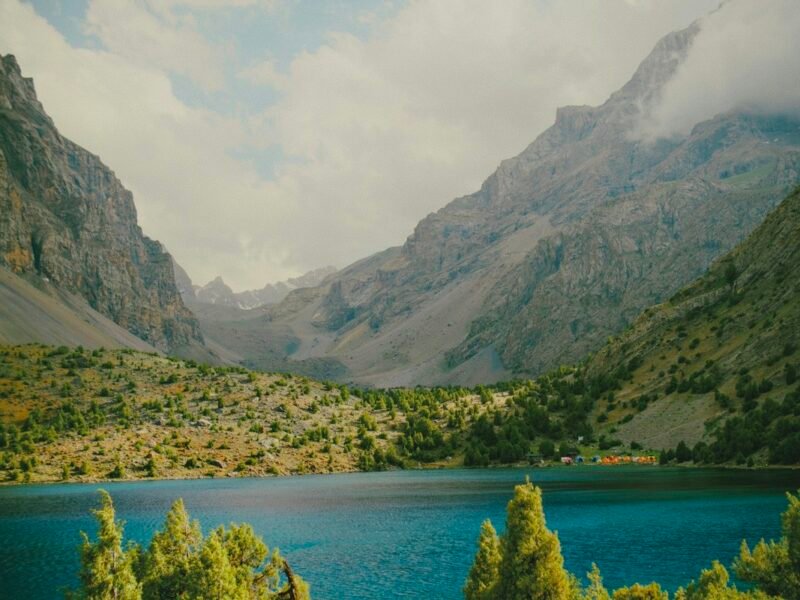
- June to September is the main season for trekking, horse riding and high lakes such as Song-Kul and Ala-Kul.
- July and August are the warmest months and the best time to swim in Issyk-Kul.
- May and October are good for Bishkek, Issyk-Kul’s shore and lower valleys, but high passes may be under snow.
- Winter is for skiing near Karakol and snowy day trips; most mountain routes are closed.
Getting there
Most visitors fly into Manas International Airport in Bishkek. There are direct flights from Istanbul, Dubai, Almaty, Moscow and other hubs. Osh, in the south, also has an international airport. Many travellers combine Kyrgyzstan with Kazakhstan, crossing by road from Almaty.
Money
The currency is the Kyrgyz som (KGS). Cards are accepted in many places in Bishkek and Karakol, but villages, yurt camps and markets run on cash. ATMs are easy to find in towns; carry enough cash before heading into the mountains. US dollars and euros are easy to exchange in Bishkek.
Altitude and fitness
Many routes go above 3,000 m. Most people feel the altitude a little at first, so our itineraries climb gradually. Tell us about any health conditions when you plan your trip, and get travel insurance that covers trekking at altitude.
Phone and internet
Local SIM cards are cheap and easy to buy in Bishkek with your passport. Coverage is good in towns and along main roads, but there is little or no signal at many high lakes and passes.
What to pack
- Layers: summer days can be hot and nights in the mountains close to freezing
- Broken-in hiking boots and a waterproof jacket
- Sun protection: hat, sunglasses and high-factor sunscreen
- A headlamp, a refillable water bottle and any personal medication
Still have questions?
Ask us anything about your trip on the contact page, or tell us your dates and interests on Plan my trip.